



What Is the Difference Between Coal and Steam Coal?
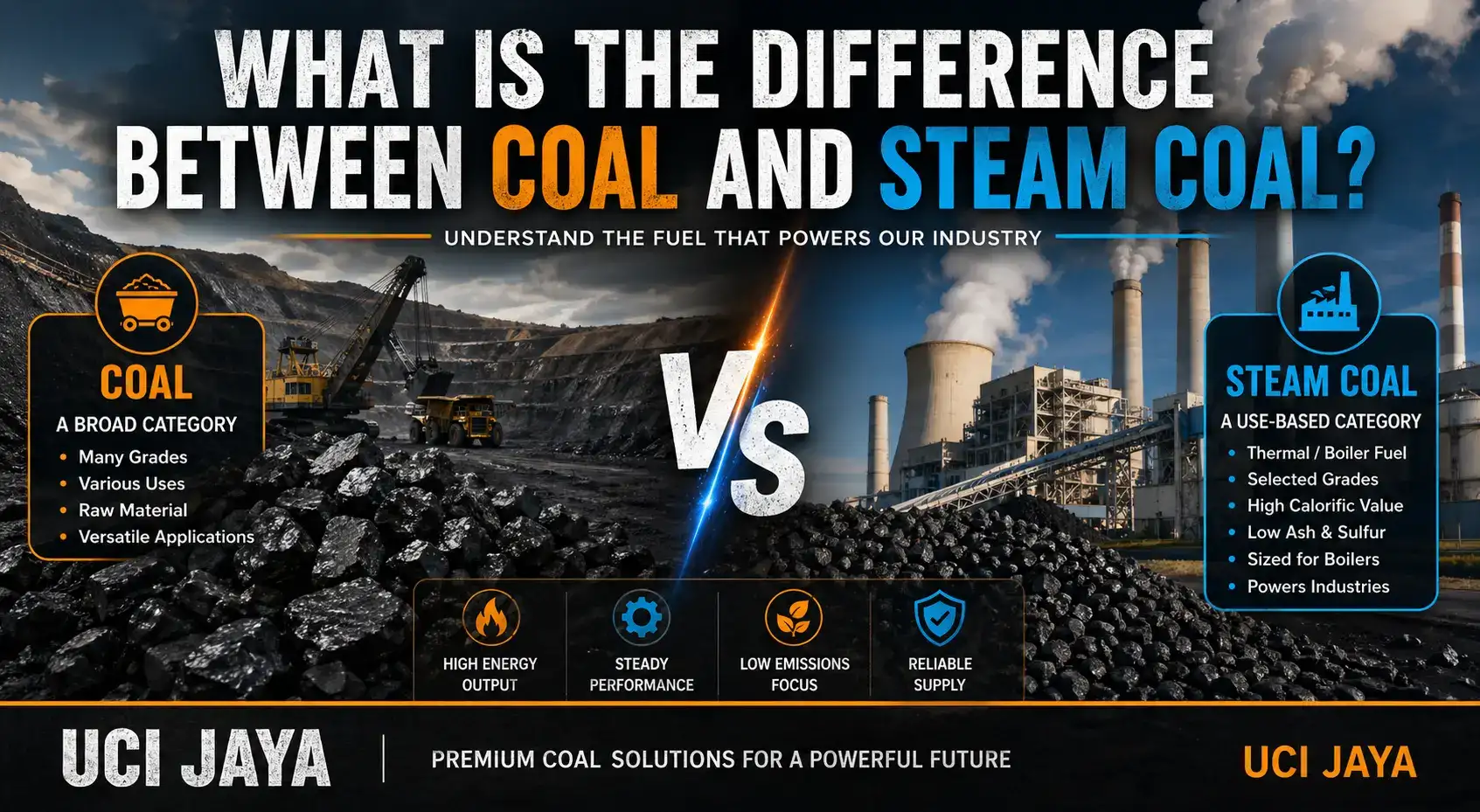
Most people think that coal is just one single thing that we dig out of the ground to burn. While it is true that coal comes from the earth, it is actually a very large family of different fuels. If you are looking into energy or industrial supplies, you will often hear the term "steam coal" used alongside the general word "coal." This can be confusing because it sounds like they might be two different minerals, but they are not. Coal is the broad name for the entire group of fossil fuels formed from ancient plants. On the other hand, steam coal is a specific member of that family that people choose for a very particular job.
Understanding the difference between coal and steam coal is mostly about understanding how we use these materials. Imagine coal as a big category like "transportation vehicles." In that category, you have bicycles, trucks, and airplanes. Steam coal is like the "delivery truck" of the coal world. It has a specific design and a specific purpose, which is to create heat and steam. Many buyers and factory owners look for steam coal because they need to run boilers or power plants. They do not just need any coal; they need the kind that burns well to make steam. This guide will walk you through every detail so you can see how these two terms relate to each other in the real world of energy and trade.
Coal vs Steam Coal: Quick Definition
What Is Coal?
Coal is a solid fossil fuel that looks like a black or brownish-black rock. It formed over millions of years as heat and pressure acted on dead plant matter buried deep underground. Because it took so long to form, we call it a non-renewable energy source. Coal is not just one type of rock. It includes many different grades that vary based on how much carbon they contain and how much heat they can produce.
The main categories of coal are lignite, sub-bituminous, bituminous, and anthracite. Lignite is the softest and has the least carbon, while anthracite is very hard and has the highest carbon levels. Industries around the world use these different types for many things. Some use it to make electricity, others use it to produce steel or cement, and some even use it to create chemicals or heat their homes.
What Is Steam Coal?
Steam coal is a term used to describe coal that is suitable for boilers to generate steam. You might also hear people call it "thermal coal" because its main job is to create thermal energy or heat. When you burn steam coal, the heat boils water to create high-pressure steam. This steam then spins large turbines to create electricity or provides the heat needed for heavy industrial processes.
Most steam coal comes from the sub-bituminous or bituminous grades. These grades are popular because they burn steadily and provide enough heat to keep large machinery running. Suppliers mostly send this type of coal to power plants and big factories that have massive industrial boilers. It is the fuel that keeps the lights on in many parts of the world.
Main Difference Between Coal and Steam Coal
Coal Is a Broad Category, Steam Coal Is a Use-Based Category
The biggest point to remember is that coal is a general name for the raw material itself. When you say "coal," you are talking about the mineral regardless of what you plan to do with it. It is the name of the substance. Steam coal is a category based on how the material is used. It tells the buyer exactly what the coal is for. It is like the difference between saying "fruit" and "juicing oranges." One is the general group, and the other tells you that these specific oranges are perfect for making juice.
Coal Can Be Metallurgical or Thermal, Steam Coal Is Thermal Only
In the industrial world, coal is usually split into two main paths. One path is metallurgical coal, which people use to make coke for steel plants. This type of coal must have very specific chemical properties to help melt iron ore. Steam coal belongs to the other path, which is thermal coal. Steam coal is never used for making steel in a blast furnace because it does not have the right characteristics to make coke. Instead, it is burned directly to release its energy as heat.
Coal Includes Many Grades, Steam Coal Uses Specific Grades
Since coal is a broad term, it covers everything from the low-quality lignite that is almost like compressed dirt to the high-quality anthracite that is shiny and hard. Steam coal focuses on a narrower range. While some power plants can burn lignite, most professional steam coal buyers look for sub-bituminous or bituminous coal. They pick these specific grades because they offer the best balance of heat and price for running a boiler system.
Coal May Be Raw Material, Steam Coal Is Fuel Material
Sometimes coal is used as a raw material in a laboratory or a chemical plant to create new products like plastics or specialized filters. In those cases, the coal is an ingredient. Steam coal is almost always viewed as a fuel material. Its value is not in what it can become, but in the energy it releases when it catches fire. It is purely there to provide the power needed to generate steam.
Difference in End Use
General Coal Uses
Because coal is so versatile, you will find it in many different sectors. It is the backbone of the steel manufacturing industry. Without special coking coal, producing the steel needed for buildings and cars would be much harder. Cement kilns also use various types of coal to reach the incredibly high temperatures needed to make cement. Some chemical companies use coal to extract carbon or other elements. Even in residential areas in some countries, coal is still used to keep houses warm during the winter.
Steam Coal Uses
The uses for steam coal are much more focused on machinery and power. Thermal power plants are the biggest customers. These plants burn thousands of tons of steam coal every day to provide electricity for cities. Beyond power plants, textile mills use steam coal to run the machines that dye and process fabrics. Food factories use it to power the large ovens or sterilization units needed for mass production. Paper mills and even brick kilns rely on the steady heat of steam coal to turn raw materials into finished products.
Difference in Heat Value
Coal Heat Value Varies Widely
The amount of energy inside coal can change a lot depending on where it was mined. Some coal has a lot of moisture or ash inside it, which makes it harder to burn and lowers the heat it gives off. Other coal is very "clean" and packed with carbon, meaning it produces a massive amount of heat. Factors like sulfur content also play a role in how much energy you get from the raw material.
Steam Coal Selected by Required Calorific Value
When a company buys steam coal, they are very picky about the heat value. This is often measured in kilocalories per kilogram (kcal/kg). You might see terms like GAR (Gross As Received) or NAR (Net As Received) in the contracts. Buyers want a specific calorific value because their boilers are designed to work with a certain amount of heat. If the heat is too low, the boiler will not produce enough steam. If it is too high, it might damage the equipment. Higher heat value usually means the plant runs more efficiently.
Difference in Moisture Content
General Coal Can Have Any Moisture Level
Since coal is found in the ground, it naturally contains water. Some coal mines are very wet, and the coal they produce has high moisture levels. For some industrial uses, this might not be a huge problem if the coal is going to be processed or dried later. General coal types do not have one single standard for moisture because the requirements change based on the industry.
Steam Coal Usually Checked for Boiler Performance
For steam coal, moisture is a very important factor. If the coal is too wet, a lot of the energy from the fire is wasted just trying to evaporate that water instead of heating the boiler. This reduces the usable energy and makes the whole process more expensive. Buyers prefer lower moisture levels because it leads to a more efficient burn. High moisture can also cause problems when trying to grind the coal into a fine powder for modern power plant systems.
Difference in Ash Content
Coal Overall Has Variable Ash Levels
Ash is the stuff that is left over after the coal has finished burning. It is basically the minerals and dirt that were mixed in with the carbon. Some coal mines naturally produce coal with high ash levels. While this coal can still be used, it requires more work to manage the leftovers.
Steam Coal Buyers Focus on Low Ash
If you are running a steam boiler, you want as little ash as possible. High ash levels mean that the machines get dirty faster and need more maintenance. It also means the company has to pay more money to dispose of the piles of ash left behind. By choosing steam coal with low ash, a factory can keep its boilers running longer without stopping for cleaning, which saves a lot of money in the long run.
Difference in Sulfur Content
General Coal May Have Low or High Sulfur
Sulfur is a natural element found in almost all coal. Some regions of the world have "sour" coal with high sulfur, while others have "sweet" coal with very little. For some industrial processes, sulfur does not matter as much, or it can be removed during processing.
Steam Coal Often Requires Controlled Sulfur
When you burn steam coal, the sulfur turns into gases that can be harmful to the environment. Because of this, many countries have strict rules about how much sulfur can be in the fuel. Steam coal buyers look for coal with controlled sulfur levels to make sure they are following environmental laws. Using low-sulfur coal helps reduce air pollution and prevents damage to the boiler's exhaust system.
Difference in Size Specification
Coal Sold in Many Sizes
Coal comes out of the mine in all sorts of shapes and sizes. You can buy "Run of Mine" (ROM) coal, which is a mix of big rocks and fine dust. You can also buy large lumps, small pieces called fines, or coal that has been washed and crushed. The size usually depends on what the customer needs for their specific machines.
Steam Coal Often Sized for Boilers
Steam coal is almost always sold in specific sizes that fit into industrial feeders. You might hear terms like "Nuts" or "Small Nuts" to describe the size of the coal pieces. Some systems use "Stoker" coal, which is a medium size that works well in mechanical grates. In many modern power plants, the coal is actually ground into a very fine powder before it is blown into the furnace. Providing the right size ensures that the coal burns at the right speed to keep the steam pressure steady.
Difference in Market Terminology
Coal Is Generic Trade Term
In the world of shipping and mining, "coal" is the word used for the commodity as a whole. It is what you see on general market reports or geological maps. It tells you that the material is present, but it does not tell you much about who is going to buy it or what they will do with it.
Steam Coal Is Commercial Buying Term
"Steam coal" is a professional term used in import and export contracts. When a trader says they are selling steam coal, everyone knows they are talking about combustion-grade fuel. It is a signal to the market that this material is ready to be used in a power plant or a factory boiler. It simplifies the conversation between the seller and the buyer.
Difference in Price
Coal Price Depends on Type and Use
The price of general coal changes based on its rarity and its purpose. For example, high-quality coking coal used for steel is often much more expensive than regular fuel coal because it is harder to find and very important for heavy industry.
Steam Coal Usually Priced by Energy Value
The price of steam coal is usually tied directly to how much energy it can produce. If a batch of coal has a high calorific value and low impurities like sulfur and ash, the price will be higher. Traders also look at where the coal came from and how much it costs to ship it by sea or rail. Essentially, when you buy steam coal, you are paying for the heat.
Difference in Transportation Demand
General Coal Moves to Multiple Industries
General coal is shipped to all sorts of places. Some goes to steel mills, some to chemical plants, and some to small local businesses. The logistics can be quite complex because the destinations are spread across many different sectors of the economy.
Steam Coal Mostly Moves in Bulk to Power Users
Steam coal usually moves in massive quantities. Since power plants burn so much fuel, the coal is often transported in giant bulk carrier ships or long trains. It moves from the mines directly to ports or large utility companies. The goal is to move as much energy as possible as quickly as possible to keep the power grid running.
Difference in Environmental Impact Focus
All Coal Has Emission Concerns
Burning any kind of fossil fuel releases carbon dioxide and other gases into the atmosphere. This is a challenge that the whole coal industry faces. Every type of coal mining and usage has an impact on the environment that needs to be managed.
Steam Coal Faces Direct Combustion Regulations
Because steam coal is burned in such huge amounts at power plants, it is the main target for environmental regulations. Governments watch these plants closely to control emissions like CO2, sulfur oxides, and nitrogen oxides. This is why the quality of steam coal is so important. Using better-quality coal makes it easier for these plants to use filters and cleaners to protect the air.
Simple Example
To make this very easy to understand, imagine a mine that produces a type of rock called bituminous coal.
- If the mine sells that coal to a steel plant so they can turn it into coke for a furnace, it is being used as metallurgical coal.
- If the mine sells that same coal to a local power plant to be burned so it can turn water into steam, it is being used as steam coal.
The rock in the ground was just coal. The way it was used determined whether we call it steam coal or not.
Conclusion
The main difference is very simple to remember. Coal is the name for the entire group of fossil fuels that come from the earth. Steam coal is a specific type of coal that people choose because it is perfect for making heat and steam. You can think of it this way: every piece of steam coal is coal, but not every piece of coal is steam coal. Some coal is meant for making steel or chemicals, while steam coal is the dedicated worker that powers our boilers and electricity plants. By looking at things like heat value, ash content, and size, industries can pick the best steam coal to keep their operations running smoothly and efficiently.
Contact Us for Premium Coal Solutions
Finding the right fuel for your industrial boilers is the most important step in keeping your costs low and your energy high. When you need a partner that understands the technical details of calorific values and sulfur limits, you need an expert steam coal supplier. We focus on providing high-quality fuel that meets the strict demands of modern power plants and factories.
If you are looking for a reliable wholesale coal supplier, UCI JAYA is here to help you secure the best materials for your project. Our team ensures that every shipment is checked for quality so that your operations never have to stop. Reach out to us today to discuss your energy needs and find the perfect coal grade for your business.
Featured Articles
Industrial plants and large power stations need steady energy to run their mach
READ FULLMost people think that coal is just one single thing that we dig out of the gro
READ FULLBulk procurement is a very serious task for any business. When you decide to bu
READ FULL